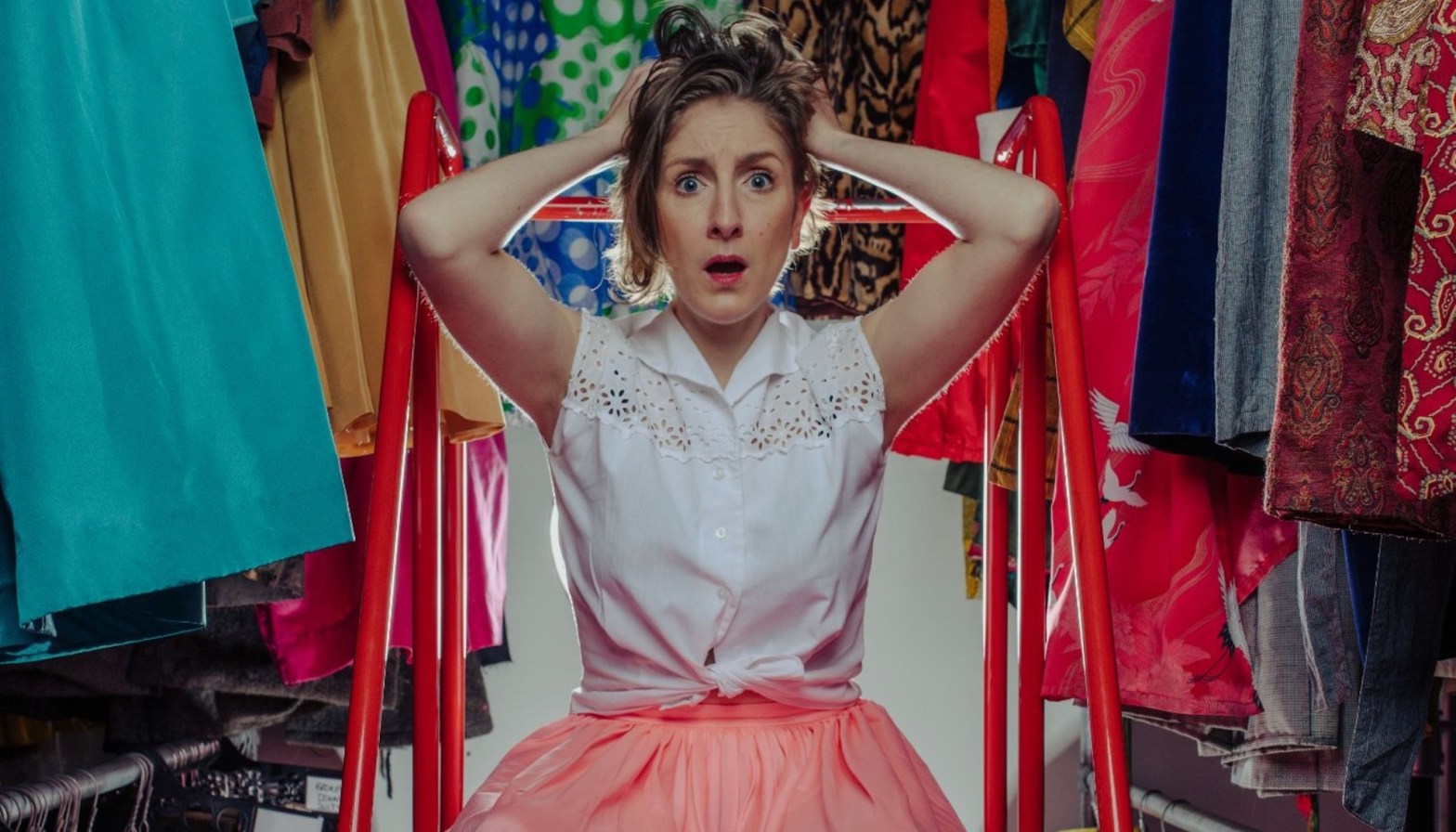
Breathless, by Laura Horton, is a play about hoarding, the way this addiction creeps into people’s lives without them even noticing it and dealing with the sense of loss. Based on Laura’s real-life experiences, the work is a dark, magical story about trying to escape a world you’ve spent a lifetime carefully building. Laura tells My Soho Times about this commonly known yet often misunderstood obsession.
Growing up I loved charity shopping and car boot sales; they offered an outside chance of finding a vintage jewel or designer treasure. As I entered my twenties, the main problem was that I struggled to throw anything away, everything I owned contained a dream or a hope I had attached to it. That wasn’t so bad back then, I was just the person who had lots of clothes, the one everyone went to if they were looking for outfits for nights out, or specific fancy dress items. I had it all – a space suit I’d picked up for a pound, boiler suits, headdresses, flapper dresses and waistcoats.
In my late twenties I found the thrill of sample sales and built a beautiful wardrobe, adding pieces I never would’ve been able to afford otherwise. By the time I reached my thirties I was drowning in clothes. Things were suction packed up, stuffed into bags, under beds, hung on walls. I could never find anything, much of it didn’t fit as I’d bought things in the hope I’d slim into them eventually.
In my mid-thirties my landlord told me he was planning to sell the house I’d been renting with two housemates for the past seven years. I looked around at other house shares and realised I just couldn’t afford to stay in London unless I lived with more people, I couldn’t find anything in budget. I decided to move back to Devon and re-group. Over the years I’d had a number of sales and sold things online, but it was laborious, especially when you have thousands of clothes. So, I held a big sale over two weekends before I left and promoted it locally. I sold over 400 things.
It was a wrench to let some of the clothes go, I won’t lie. I had a few panicked moments, but once I got into it, it was lovely to realise these clothes would be worn, would have new life. People could benefit from the effort I’d put into running around London, queueing from 6am, finding special things affordably. Lots of the women who came told me they hated shopping on the high street, I had some wonderful conversations, passed on stories about the clothes I was selling.
It was around this time that I started to recognise I had hoarding behaviours, that the amount I had was negatively impacting my life. I hadn’t realised it before because media narratives were so extreme. Despite selling so much it didn’t really touch the sides, I still moved home with a horrifying amount of clothes. But I’d got the ball rolling.
When you’re dealing with a mental health condition, like hoarding disorder, other impacts of are sometimes hard to see. I was aware of the impact of fast fashion, but I was buying quality clothes and not throwing them away. The environmental cost of creating clothes is clearly high as huge amounts of resources are needed to make clothes. Consumers don’t keep things as long as they used to, and most clothes are chucked away within a year of production. Our consumer habits are certainly driving climate change.
I held a sale in Plymouth at the end of 2022 and I had some lovely conversations about the clothes. The fashion student who couldn’t believe I had Christopher Kane clothes that I’d found so cheaply. The single mother who was delighted to pick up an Isa Arfen dress she’d seen in a fashion magazine but never been able to afford. I’m planning more sales and it’s really helping me to know my wardrobe is being recycled. Passing things on has also helped to change my habits, not panic buying and never buying things that don’t fit me. If everyone bought a used item when they would normally buy new, we would slash carbon emissions.
There are lots of books and articles about decluttering and honestly I haven’t found many of them that helpful. It was only really when I dug into why I was doing it did I start to be able to change. For me it was a safety net, a way to cocoon myself. But my things were not helping me realise my dreams. Selling and clothes swap parties and donating clothes to charity in a slow and steady way has helped to chip away at the problem.
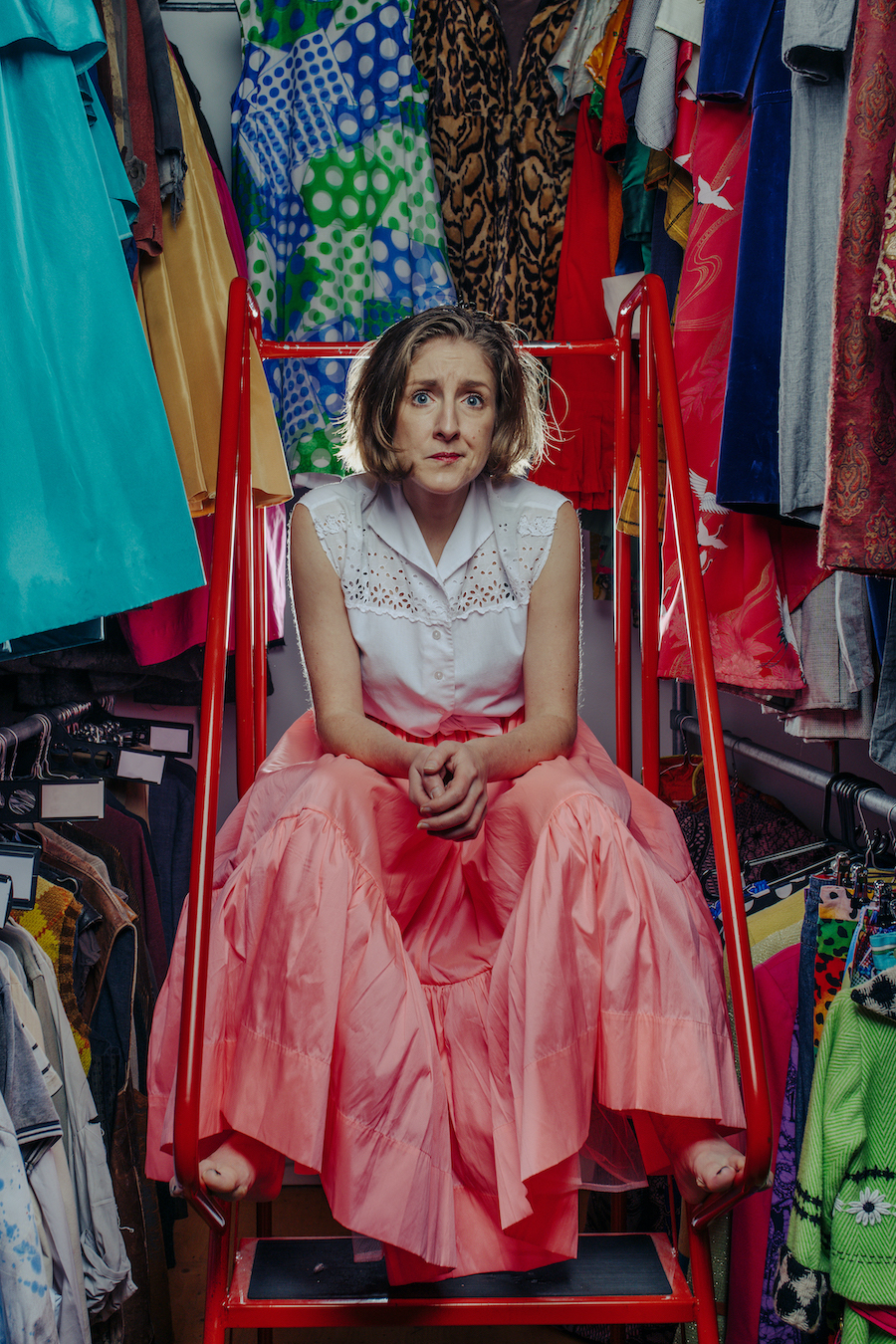
It’s also what inspired my Hidden by Things campaign where we invite people to donate clothing with stories attached. A label is tacked into the item so people can find the story of the clothing they’ve bought. We’re holding two events at Soho Theatre alongside my play Breathless where people can bring an item and tell me their tale. I hope it encourages people to let things go, knowing their stories are not lost.
Breathless by Laura Horton plays at the Soho Theatre Tue 7 – Sat 18 Feb 2023

Laura Horton’s full-length plays include: Labyrinth Diet, The Space, London 2021, ONCOMM winner; Triptych, Theatre Royal Plymouth, 2021. She is currently commissioned by Theatre Royal Plymouth. She was listed in The Stage 100 in 2021 for her project Theatre Stories CIC and is an artistic associate of The Space, London. Laura is on the Criterion Writer’s group (starting in Jan 2023) and she has an audio commission, ‘The Light Follows Everyone’ that will be launched at The Box as part of her Laureateship with Literature Works in February 2023.
Get social – follow and tag us! @mysohotimes #MySohoTimes



Sign up to receive the latest issue of our magazine – straight to your inbox!
Plus, we’ll share the latest news, events, and discounts from our partners in and around Soho in a MONTHLY newsletter… Ready to join the club?
 MY SOHO TIMES