
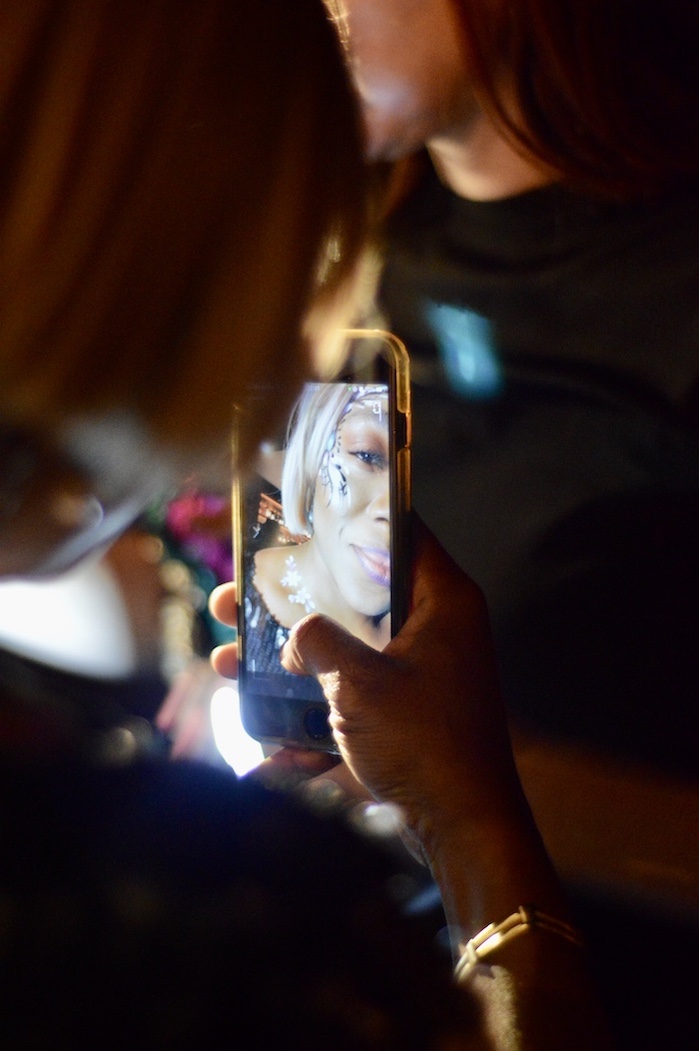
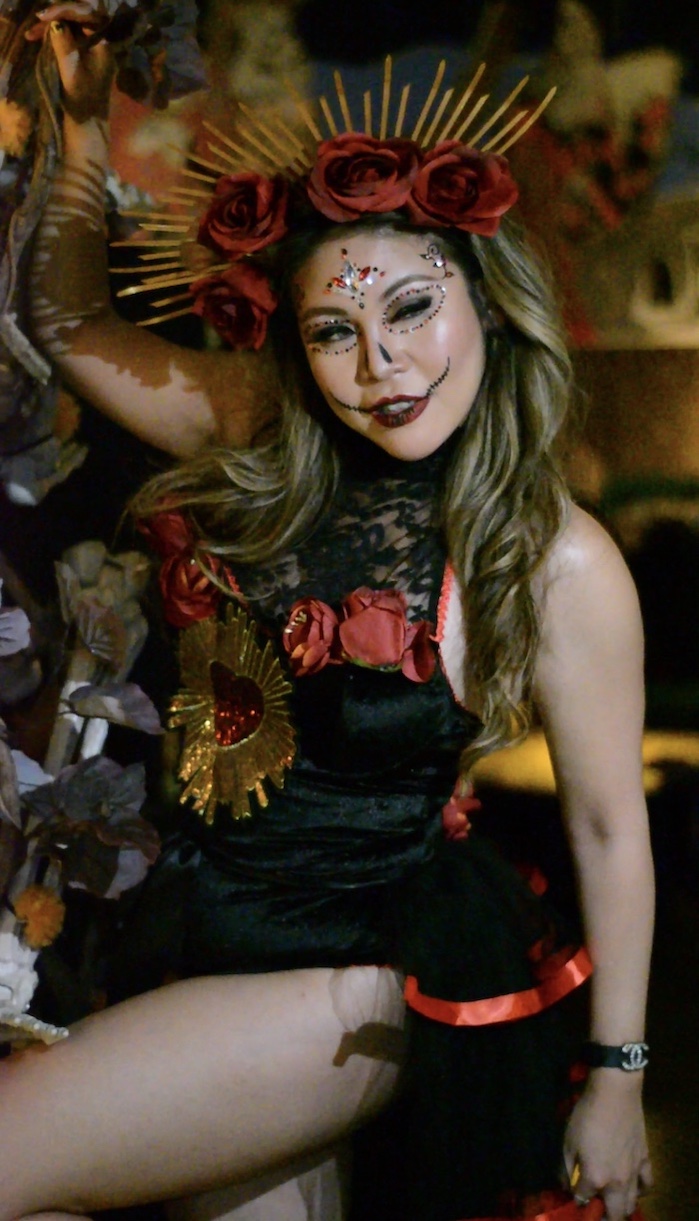
I was recently commissioned by Nolita Knightsbridge to document their Dia de los Muertos Halloween Party, which took place last Saturday. In partnership with Volcan Tequila, the event held true to its promise of a remarkable evening filled with vivid costumes and decorations, captivating performances, and an exhilarating ambiance. Needless to say, it exceeded all expectations!
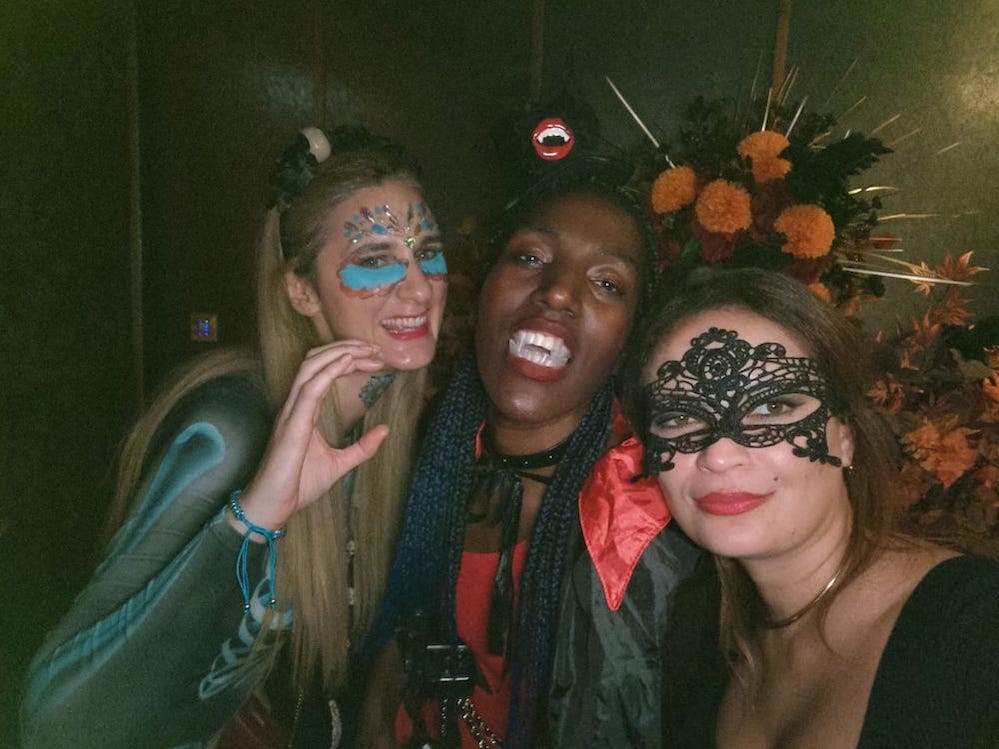
Dia de los Muertos Halloween party at Nolita, Knightsbridge
On this particular evening, one which I consider to strike a fine equilibrium between work and leisure, Nolita was transformed into a haven of mystical allure, taking inspiration from the traditional Mexican holiday. Guests arrived wearing their most striking Day of the Dead-inspired costumes, adding to the overall festive atmosphere of the night. A professional face-painter was also provided to mark the occasion. Witnessing a room filled with skull-painted faces, even among the bar staff and hostesses, truly intensified the immersive encounter. I mean, talk about a skull-tastic soirée! However, it got me wondering about the significance of the Day of the Dead and the reasons behind its observance. I did a little digging, and here’s what I uncovered…
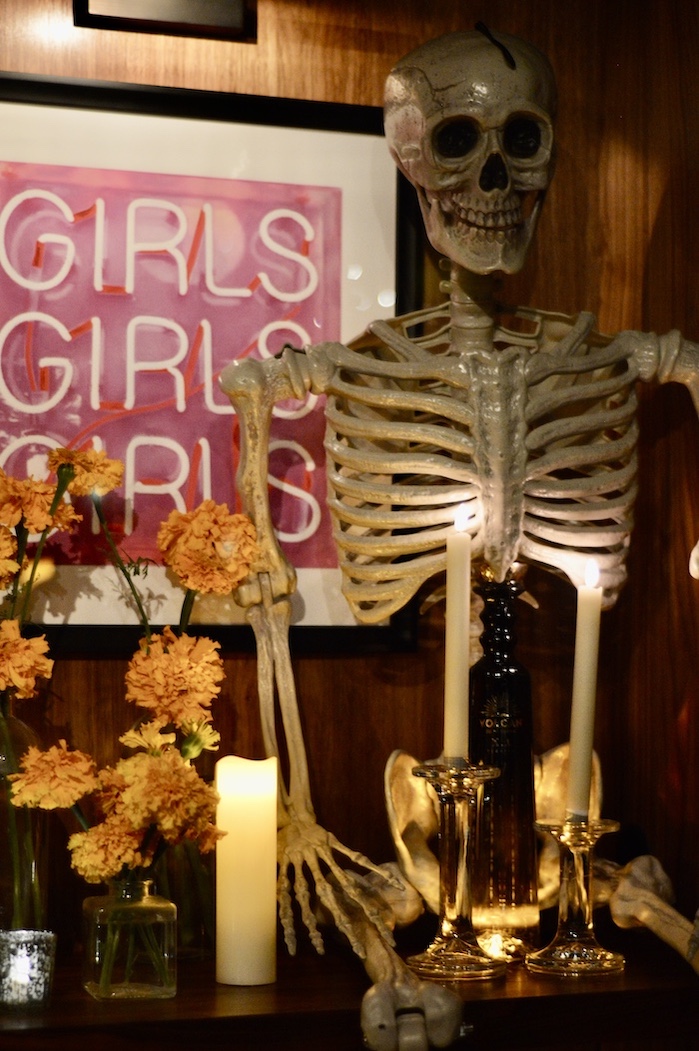
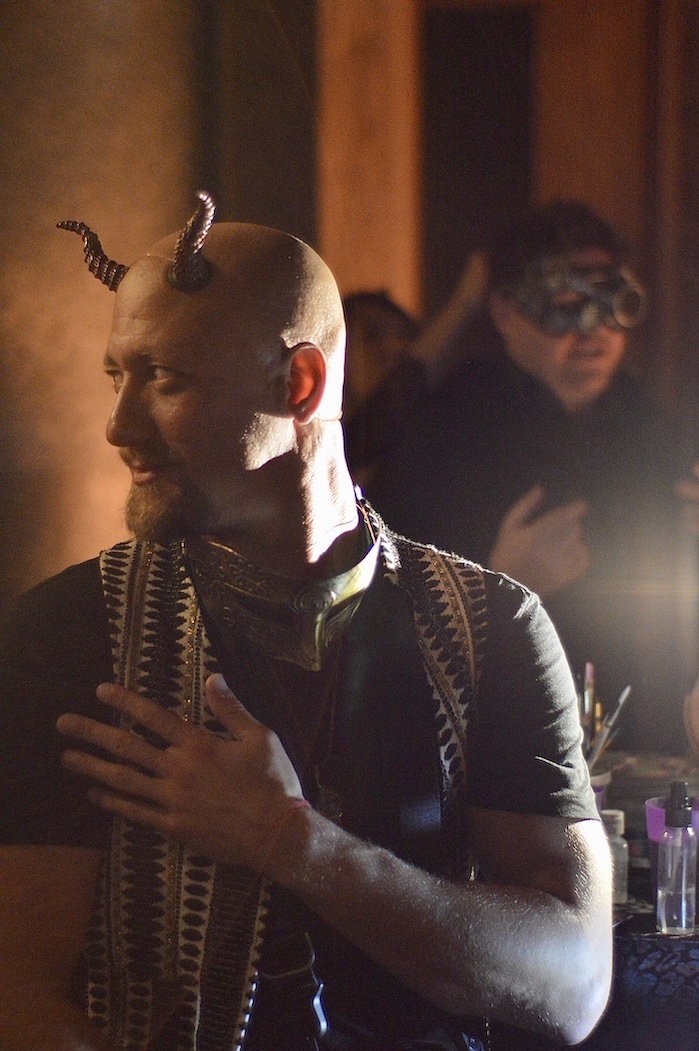
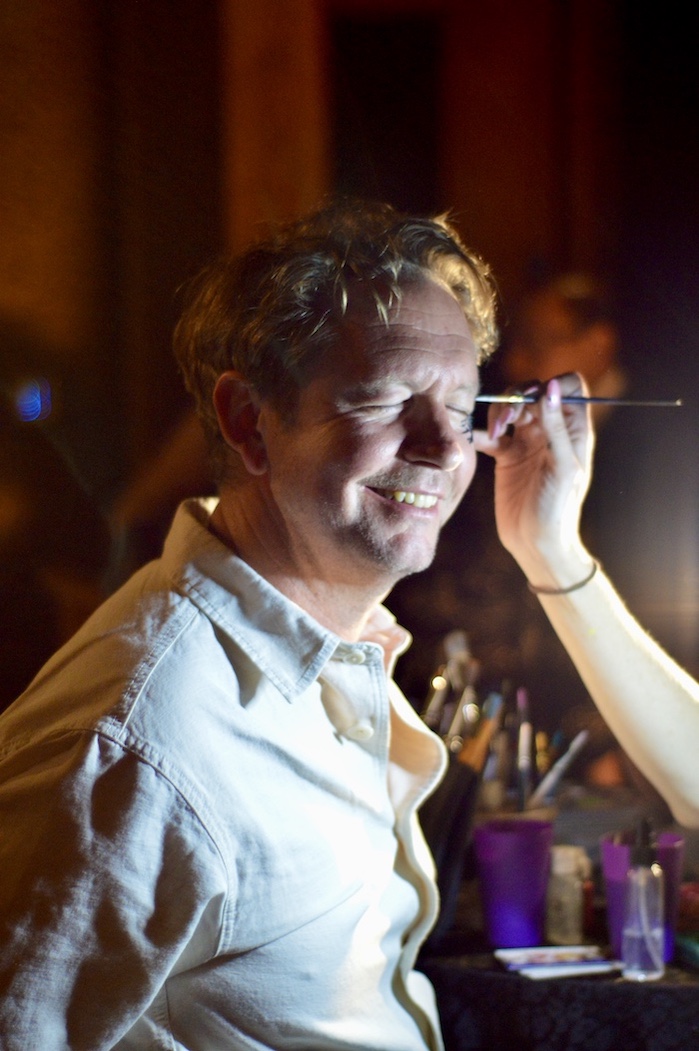

Dia de los Muertos – Day of the Dead
Dia de los Muertos, also known as the Day of the Dead, is a vibrant and colourful celebration that holds deep cultural and spiritual significance in Mexico. This festive tradition dates back thousands of years and continues to be widely observed on the 1st and 2nd of November as day to honour and remember loved ones who have passed away.
Pre-colonial times, indigenous cultures in Mexico, such as the Aztecs, had their own rituals and ceremonies to honor the dead. When the Spanish arrived in Mexico in the 16th century, they brought their Catholic traditions, which eventually merged with the existing indigenous practices. While Dia de los Muertos shares some similarities with Catholic practices, such as the concept of remembering and praying for the departed, it also reflects the unique preserved cultural practices of the Mexican people. In Catholicism, the focus is often on the afterlife and the hope of salvation, whereas in Dia de los Muertos, there is a celebration of life and a belief that the spirits of the deceased return to visit their loved ones during this special time.
The meaning behind Dia de los Muertos revolves around honouring and remembering loved ones who have passed away. It is a time when families and communities come together to pay tribute to their ancestors and celebrate the cycle of life and death.
Is the Day of the Dead related to Halloween?
While Halloween and the Day of the Dead both involve themes of death and the supernatural, they have different origins and cultural significance. Halloween has roots in Celtic harvest festivals, while the Day of the Dead is rooted in indigenous traditions merged with Catholicism after colonisation.
Unlike Halloween, which can sometimes be associated with fear and fright, Dia de los Muertos embraces the concept of death as a natural part of the human experience. It is believed that during this time, the spirits of the departed return to be reunited with their families. Altars, known as ofrendas, are constructed in homes and cemeteries, adorned with photographs, candles, flowers, and the favorite foods and beverages of the deceased.
The festive atmosphere is filled with joyful music, parades, dancing, and elaborate face painting. One of the most iconic symbols of Dia de los Muertos is the calavera or sugar skull, beautifully decorated with colorful icing and adorned with flowers and feathers. These intricate designs are not meant to be morbid, but rather to celebrate the lives and personalities of those who have passed on.
Dia de los Muertos is a time of remembrance and reflection. It is a celebration that embraces life and death, reminding us to appreciate the present and to honour those who have come before us. Overall, I found this to be a beautiful and meaningful celebration that showcases the rich cultural heritage of Mexico. It serves as a reminder that death is not the end, but rather a continuation of life in a different form.
Written by Kai Lutterodt @the.soho.girl. Photos: Kai Lutterodt.
Share your thoughts in the comment box below!
More from the blog:

We’d love to hear your feedback, suggestions, and comments. For partnerships, social media coverage and feature requests please email team@mysohotimes.co.uk
Get social with us – follow and tag us! @mysohotimes #MySohoTimes



Get our news straight into your Inbox!
Sign up for the latest news, events, and discounts from our partners in and around Soho in a MONTHLY newsletter… Ready to join the club?
 MY SOHO TIMES