
As London gears up for another year of cinematic innovation, the cameras are primed and the red carpet is waiting to be rolled out for the 68th Annual London Film Festival (LFF). This year’s festivities feature a plethora of exciting new films, with a line-up that journeys through the heart of the smoky city and beyond. In keeping with this year’s central theme, the final programme features several homegrown London features, side-by-side with stories from across the globe.
Freya Starr interviews cinema Programmer, Isabel Moir, about her work curating his year’s festival programme, the importance of championing new directors, discovering themes in unexpected places, and why the hardest part of the job can sometimes be having too much choice.
Can tell us a little bit about what exactly a Programmer does?
A Programmer’s role varies, but we watch a lot of films as you can imagine. We’re viewing new features at an array of festivals and early preview screenings put on by distributors and sales agents. On top of this, we research films that are in production, those on the horizon and the movies coming to cinemas soon. This involves keeping up with industry news so you are aware of which release will coincide with the festival dates. You also speak with key players within the industry, like filmmakers, producers, and distributors. We’ll always be tracking certain features we have a particular interest in, to make sure they’ll be ready for the festival period.
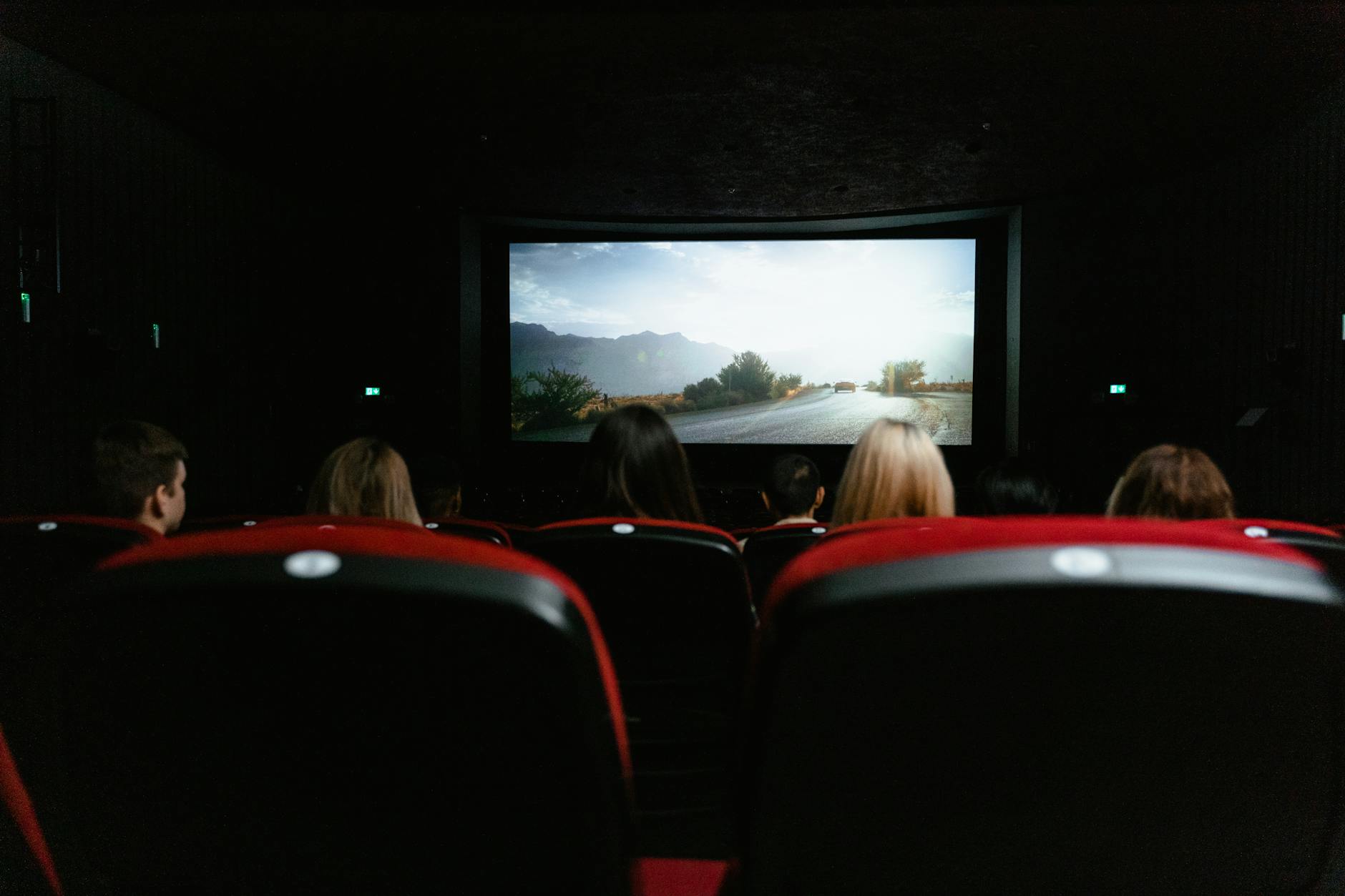
Additionally, we’re making lots of decisions on other parts of the festival. We put together the festival schedule, host Q&A sessions and write copy ready for the brochure. It’s really varied!
How did you become a Programmer and what do you think it takes to be a good one?
There’s no clear route to becoming a programmer. However, from my perspective, I worked in lots of different jobs within the industry, including roles in cinemas and at film festivals. I think you learn so much from taking on diverse roles.
I think what’s key to becoming a good programmer is just being very interested in seeing films. Engaging in different programming practices to challenge yourself to watch things that you wouldn’t normally see is really helpful. As is embracing different programming outlets and venues you wouldn’t always visit. You need to be aware of all the different cinemas, festivals, film collectives and events going on in your city. Again, you learn so much just by seeing what is being catered for and what’s already out there.
Did you have an area of specialisation for this year’s LFF?
I’m part of the core programming team. There are four of us, who work across the whole of the programme alongside the Festival Director. This means all of us are feeding through to the chosen themes and the awards that categorise the films on offer. We’ll also work with the programming committee, who are likewise vital, doing research on certain titles, studying geographical areas around the world, and making sure we’re the kind of programme that embraces global representation. So we work across all the strands, which is very exciting, seeing how it’s all made up and how each strand plays out.
That’s awesome! Do you have any favourite films from this year’s lineup that you’re keen for people to see?
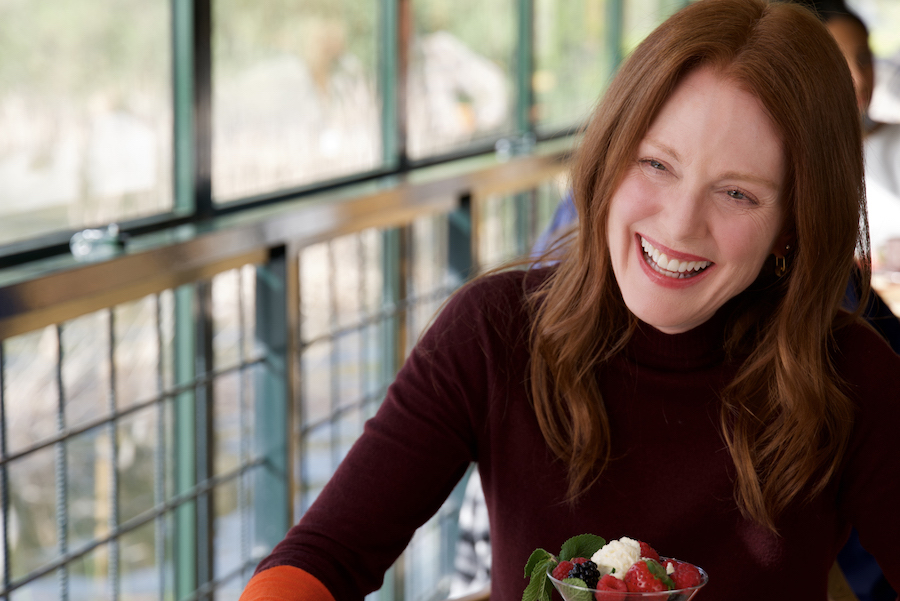
We’ve got lots of really big, much-anticipated features from a variety of directors in this year’s programme, such as Pedro Almodóvar, who’s presenting his first English language film, ‘The Room Next Door’ starring Tilda Swinton and Julianne Moore. Or the new Luca Guadagnino film ‘Queer’, which features a career-best performance from Daniel Craig. One of the really exciting things about the festival is that we get to platform emerging filmmakers alongside these better-known directors.
“We’re constantly striving to have a wide choice on offer for attendees. The aim is to exceed their expectations, to surprise viewers.”
One of the films I really love is ‘All We Imagine as Light’, which is the second feature by a director called Payal Kapadia. This played at the Cannes Film Festival Competition and won the Grand Prix. It’s one of my favourites from the whole year. The plot centres around three women as they navigate their working friendships, love lives and uncertain futures in contemporary India. It’s beautifully shot and its imagery is very dreamlike. I’m very excited for audiences to see that one.
We’ve got a great documentary showing too, a video essay called ‘Witches’ from Elizabeth Sankey. It’s an unflinching personal exploration of postpartum depression and the stigma around women’s health. She uses the portrayal of witches and cinema to illustrate all these points, which makes it a fascinating watch.
Are there any trickier aspects of being a programmer? I can imagine that choosing films for inclusion in the festival must mean making some tough decisions. There are so many amazing features out there.
Yes, I’d say one of the trickiest choices we have is that there’s only a limited number of spaces available for featured films. Even though someone might marvel at how large the selection is, we start with such a long list. This means that towards the end of our conversations when we’re finalising the programme, we’re making really hard choices on what we don’t include, basically. We work as a team, so part of the process involves – and I think this is really key to being a programmer – being able to articulate why you want to champion a film.
And you know, everyone in the programming team brings their own expertise, interests, and sensibilities. So, of course, this involves really listening to each other. The London Film Festival is a public-facing event, meaning that audiences are at the core of all our programming choices. We’re making decisions as a team, so I feel confident with our selection this year.
Do you consider there to be an overarching theme for LFF 2024 in regard to the films that have been chosen?
It’s interesting because when you put together a programme, the topics kind of emerge as you are approaching the end. You realise that at the start, you weren’t consciously aware of them, rather they came together organically. Our picks show what filmmakers are currently interested in, so there’s always more than one. This year, for example, we have an amazing selection of animation. A standout is ‘Savages’, by the creative team behind my ‘Life as a Courgette’, which was a real favourite playing in the family programme a few years ago.

We also noticed that we have a lot of themes around motherhood, and the notion of differing experiences of being a parent. We have a gala screening of ‘Nightbitch’, the new Amy Adams film by director Marielle Heller, who made ‘Can You Ever Forgive Me?’ And ‘Diary of a Teenage Girl’.
Ultimately, of course, we are the London Film Festival so when we pick films, we’re also always thinking about the rich cultures and backgrounds that make London the city it is. We’re constantly striving to have a wide choice on offer for attendees. The aim is to exceed their expectations, to surprise viewers.
The Pharrell Williams biopic ‘Piece by Piece’, which portrays the artist’s life entirely in animated Lego form, is a very interesting choice for the Closing Gala film.
Yes, it’s a really exciting one. I think having ‘Piece by Piece’ as the closing film shows the variety of different approaches to filmmaking we have on offer in this year’s lineup. Its form and technique is super playful and it’s a real celebration of creativity, which is ultimately what our programme and the festival is all about. There’s a real flip, when you consider our opening gala film, Steve McQueen’s ‘Blitz’, set in London during the Second World War. Having that two bookend the festival is a true representation of the breadth of stories filmmakers have to tell and the different ways of telling these stories.

To finish, and in the spirit of the London Film Festival, what’s your favourite thing about London?
For me, it’s just how much arts and culture we have available in the city. It can almost be overwhelming how much there is on offer but that’s also what makes it so much fun. Obviously it’s my job to watch films, but I see a lot in my spare time too, that’s my hobby. I love how many amazing cinemas there are in London and the diverse range of films on offer. The sense of community in this too and the communal cinema experience is so fantastic.
The 68th BFI London Film Festival takes place from 9-20 October at venues in London and across the UK. Tickets are on sale from 17 September. www.bfi.org.uk/lff
Written by Freya Starr
This article was originally published in the Autumn issue of My Soho Times magazine. Read it online here!

Share your thoughts in the comment box below!
More from the blog:
Get social with us – follow and tag us! @mysohotimes #MySohoTimes


Special Offers – Straight to Your Inbox!
Receive the latest news, events, and discounts from our partners in a MONTHLY newsletter… Ready to join the club?
 MY SOHO TIMES