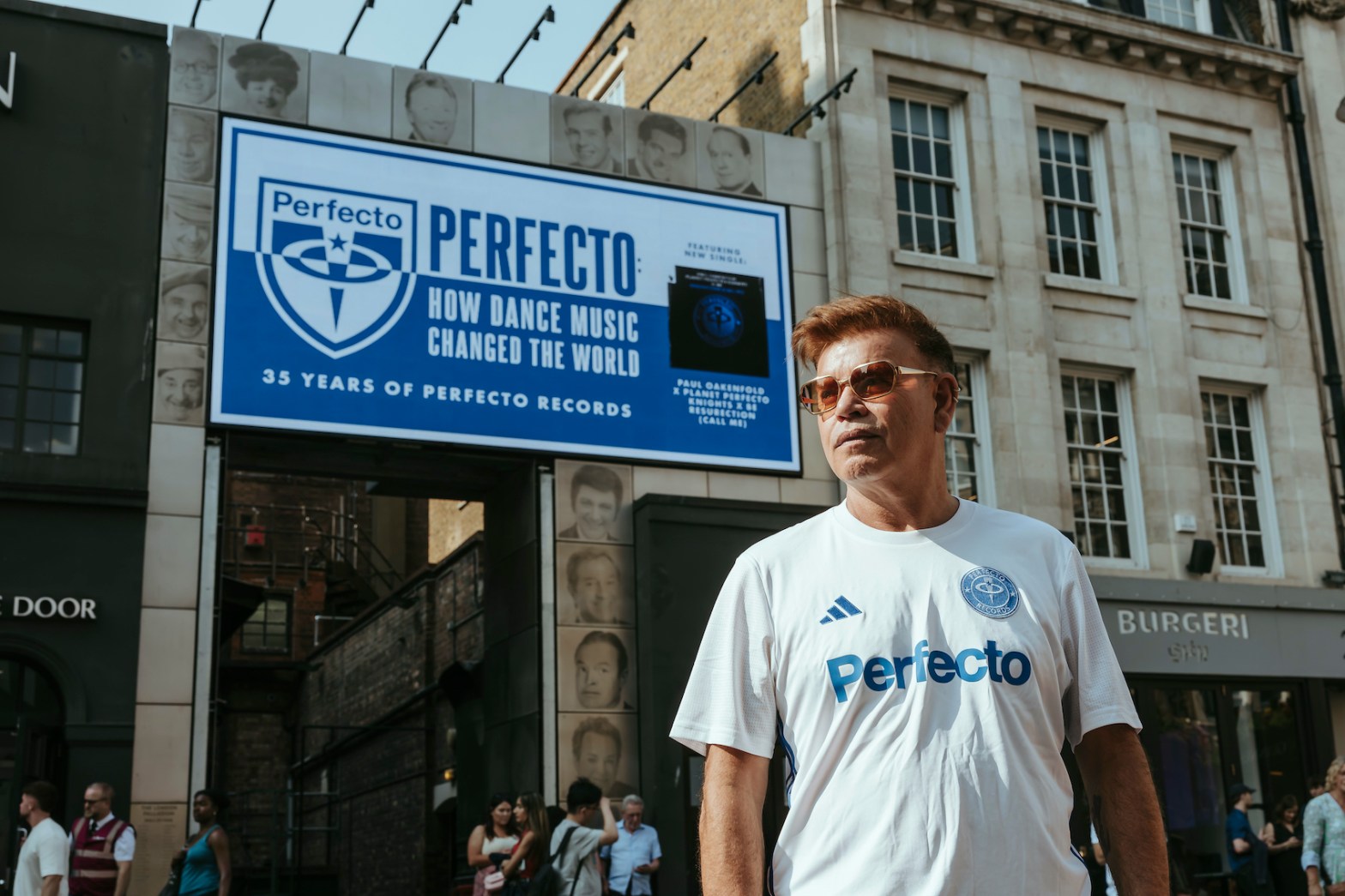
Twice voted the World’s No.1 DJ by DJ Magazine and widely regarded as a founding father of electronic dance music, Paul Oakenfold has taken British dance music to global heights, quite literally, from Mile End to Mount Everest. As Perfecto Records marks 35 years, editor Kai Lutterodt sits down with the legendary DJ to reflect on independence, evolution… and the iconic remixes that helped shape a generation.
I’ll admit, when I opened the double doors and entered a room filled with industry experts, music know-it-alls, and house music day-ones, I felt a little out of place. What am I doing here? And what do I even know about dance music? I questioned myself for a fleeting second or two.
That afternoon, I’d called my dad, a former music journalist throughout the ’80s and ’90s, to see if he could join me as my +1. Dad specialised in British Black Music, but to this day, I don’t think there’s a category in contemporary music he can’t talk about. His knowledge runs deep. When I told him I’d be interviewing Paul Oakenfold, he didn’t miss a beat: “Yes, Perfecto Records. I remember him from my DJ Mag days.” You see, he would’ve been my armour, my reason for being here. Sadly, the timing was too short notice, and Dad wasn’t available to join me — my fault. So I had to go it alone.
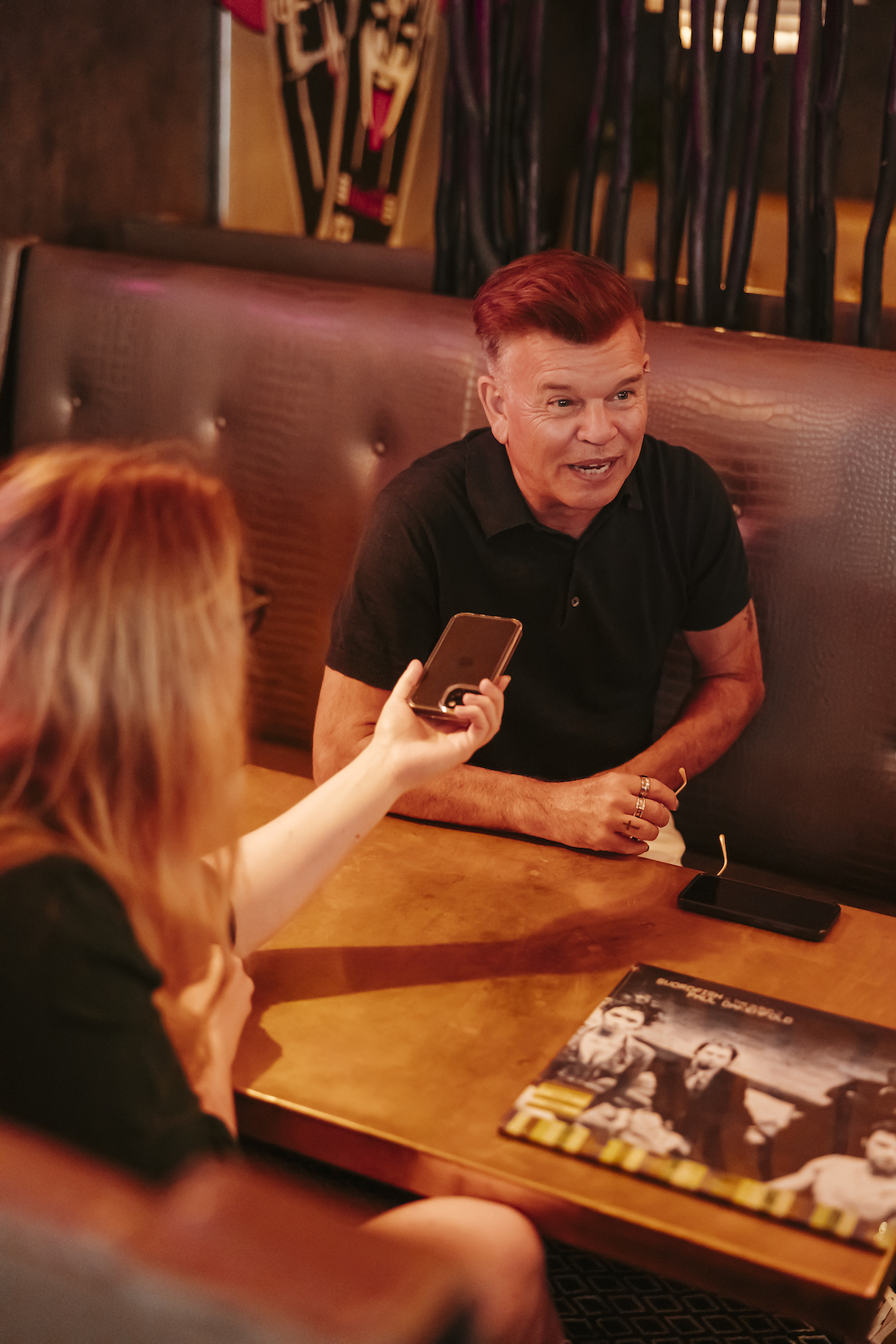


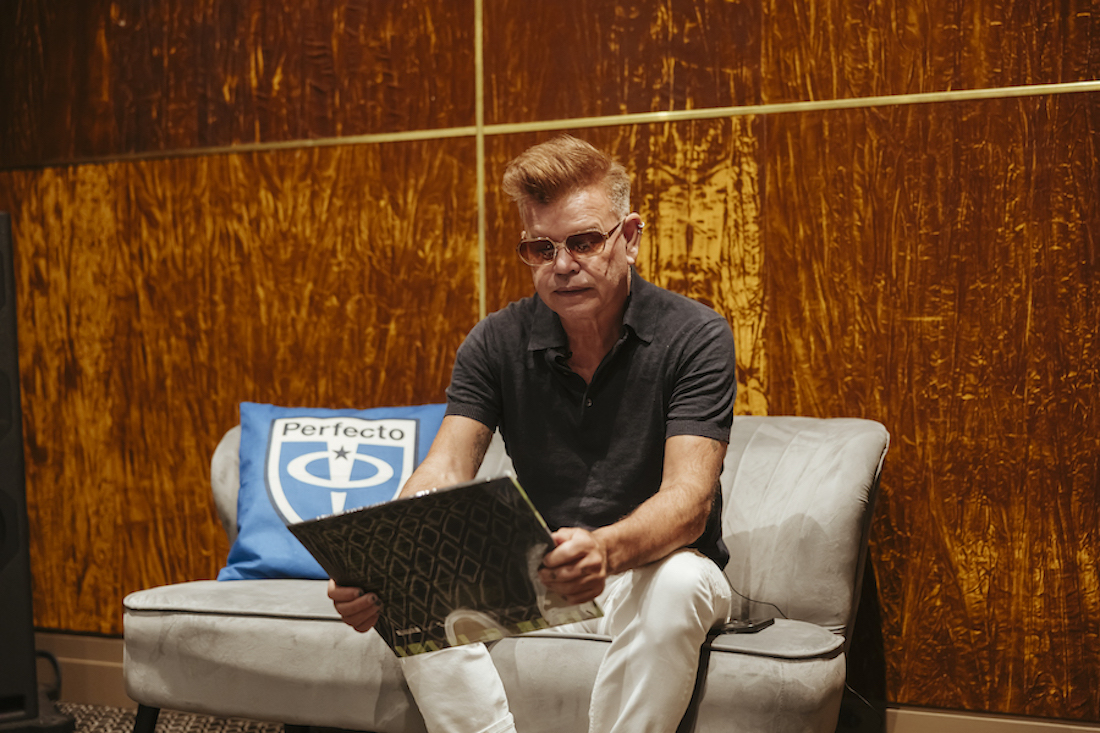
I pinged the PR to let him know I’d arrived at Karma Sanctum Soho – the “rock and roll” hotel – and stood by the DJ booth, using it as a landmark of safety (you can’t go wrong standing by the DJ, right?) as I scoped the landscape and even marked my exit point. It quickly occurred to me that I was overthinking. This was a rare chance to explore a genre I hadn’t written about before: dance music. And as it turned out, I was more familiar with it than I thought. Many of the Perfecto tracks featured in the film had been part of my childhood, played in the background of our home in Neasden, even if I didn’t know their names then. Music has always been part of my story, whether I acknowledged it or not.
Meeting the Man Who Soundtracked a Generation
“You used to only hear dance music in clubs. Now it’s on radio, in movies, in commercials, in games… and the whole world’s dancing.” – Paul Oakenfold
It’s not every day that one of the most legendary figures in dance music history greets you with a warm smile and says, “Say hi to your dad,” when I mentioned my dad knew him from his days as a music journo. But then again, this wasn’t just any night. We were here to celebrate 35 years of Perfecto Records with the screening of a documentary about the man who pioneered the movement, Paul Oakenfold.
Despite his global fame, when I finally sat down with Paul, what struck me most wasn’t just his credentials but how grounded he was — he even complimented my Doc Martens, a small but cool moment that made the moment feel more personal. Dressed casually in ripped white jeans and a navy blue polo-style shirt, our conversation felt surprisingly natural and strangely familiar. Perhaps it was his East London cockney twang that immediately put me at ease.
“Mile End!” he exclaimed proudly when I asked what ends he was from.
Even after calling LA home, the Londoner in him remains unmistakably present. We bantered about the unusually good weather London was experiencing (typical Brits) before diving into our conversation. Paul spoke passionately about the early days of Perfecto, the power of independence, and how electronic music had gone from clubs to commercials, niche to global.
Perfecto at 35: The Legacy of Independence
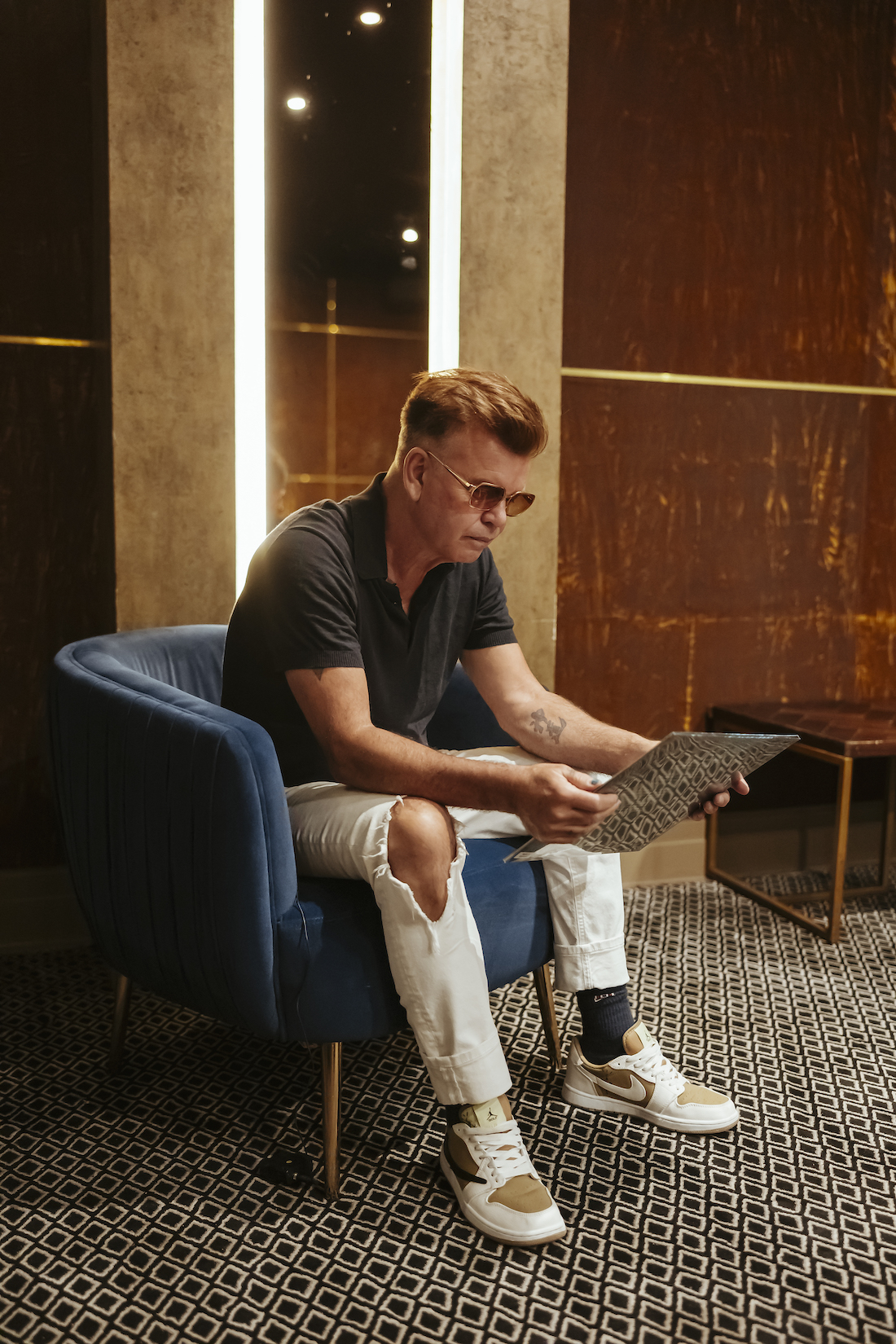
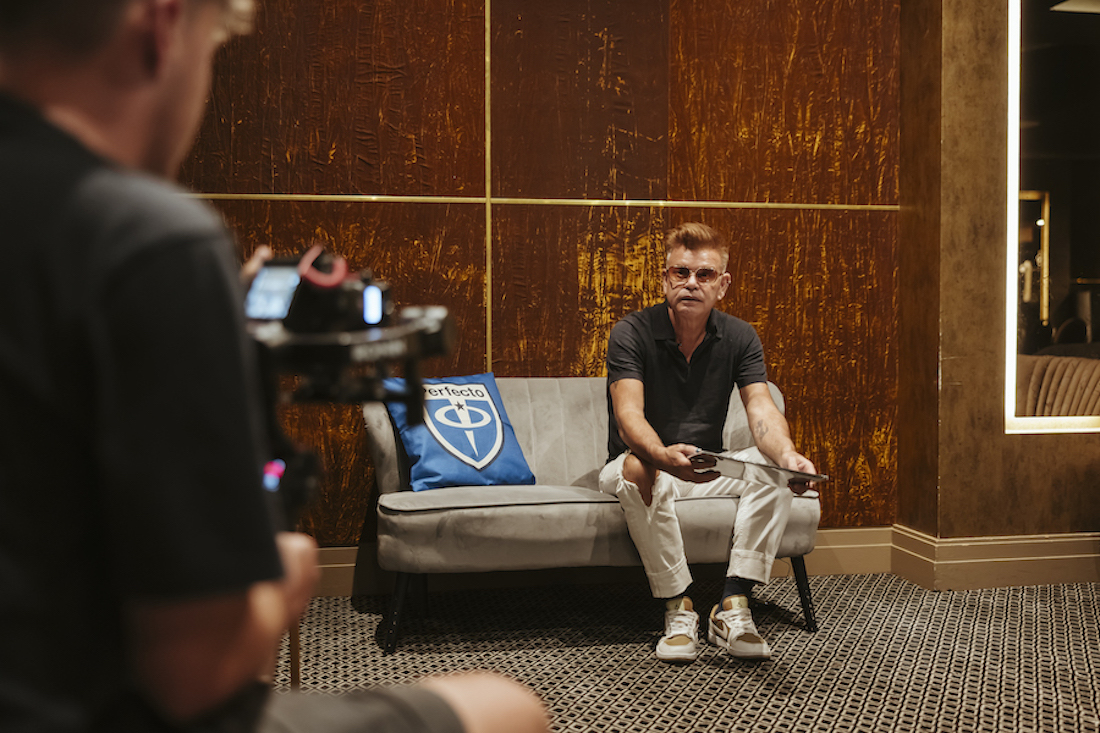
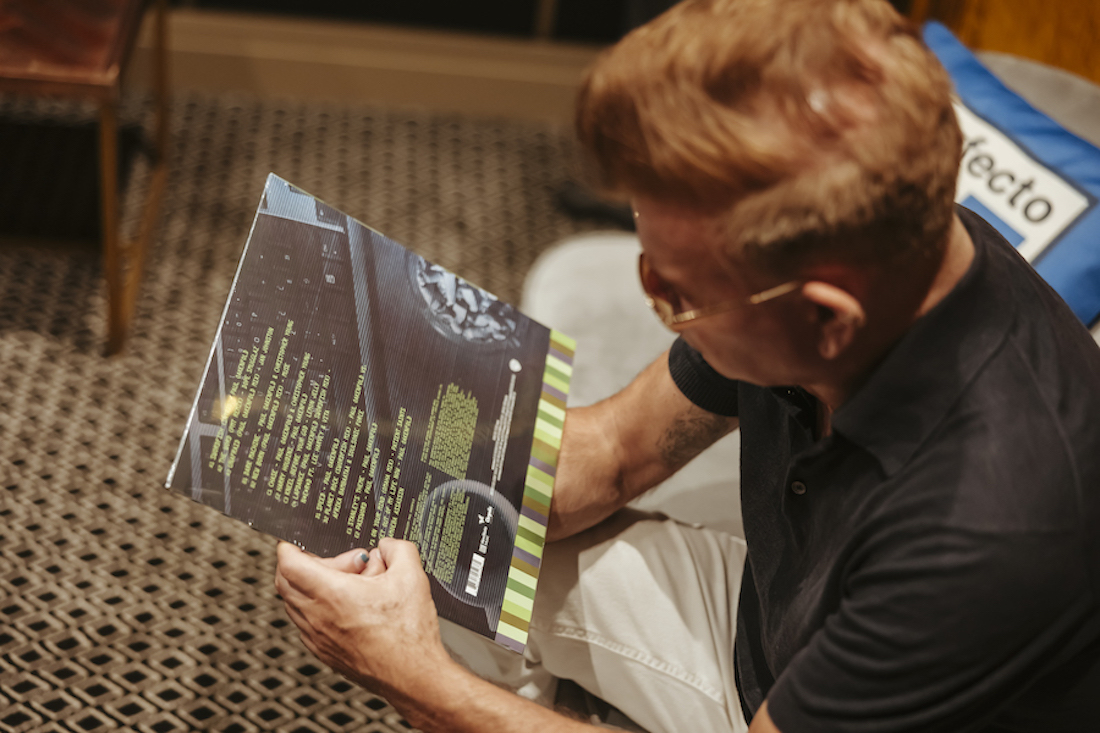

“So I’m Paul Oakenfold,” he began. “It’s the industry premiere of the documentary, which is about Perfecto Records, arguably the longest-lasting independent dance label out of London.”
For 35 years, Perfecto has been more than just a label. “We’ve had our moments through the years where we distributed via BMG and Warner Brothers, but we’ve always remained an independent dance label, supporting the dance music community around the world,” Paul explained.
And with a 35-year catalogue of music, there’s a lot to be proud of. I asked Paul about some of his standout moments with Perfecto.
“We’ve signed some wonderful artists; from Carl Cox and David Guetta in America, to Mark Ronson. We’ve worked with DJs like Nancy Noise, Lisa Loud, Tiësto, and Paul van Dyk, and a lot of producer-DJs within that world,” he said. “We’ve also had some big successes with tracks like Grace’s Not Over Yet, Perfecto All Stars’ Reach Up, and Planet Perfecto’s Bullet in the Gun.”
But Perfecto isn’t just a label, it’s a lifestyle brand.
“We have a radio show with 16 million listeners worldwide, weekly. We do merchandise. We’ve started to branch out as more than a dance label, but as a way of life for people who are into dance music.”
And about the name Perfecto, you might assume it has deep Italian roots, right?
Wrong. An interesting fact revealed in the documentary: the name wasn’t inspired by Italy at all. Instead, it was coined by a clever 12-year-old who used Paul’s initials to create “PerfectO.” Genius! I just hope she’s enjoying a lifetime supply of backstage passes and free tickets for her and her friends.
Adapting to Change
I’d recently seen a debate on Instagram about the evolution of dance music and how it’s morphing into wider genres. Some were against it, others were all for it. I was curious to know where Paul stood on this and if he considered himself a dance music purist.
“No,” was his short answer. “I think it’s important, just generally, to be open-minded. Not everyone likes change, but change is upon us every day. And if you don’t move with it, you’ll get left behind — especially in music.”
I got the impression that Perfecto has always embraced the full spectrum. “We do move with change. We’ve had drum and bass, we’ve had Fabio and Grooverider, we’ve had breakbeat, and we’ve had mainstream dance. We move with dance music and we’re proud to be part of the scene.”
His global reach proves it. “I was in Kazakhstan last year. I’ve played the Great Wall of China, base camp Mount Everest, Cambodia a month ago, Vietnam. Places you wouldn’t expect to find dance music — we were there, waving our little flag. It’s good for the community, and everyone who’s involved.”
Why a Documentary Now?
“Because it’s the 35th anniversary of the label,” Paul said. “We felt it was important to document it so the younger generation knows who was involved from the beginning — who did what, how it all came to be. That was the idea behind it.”
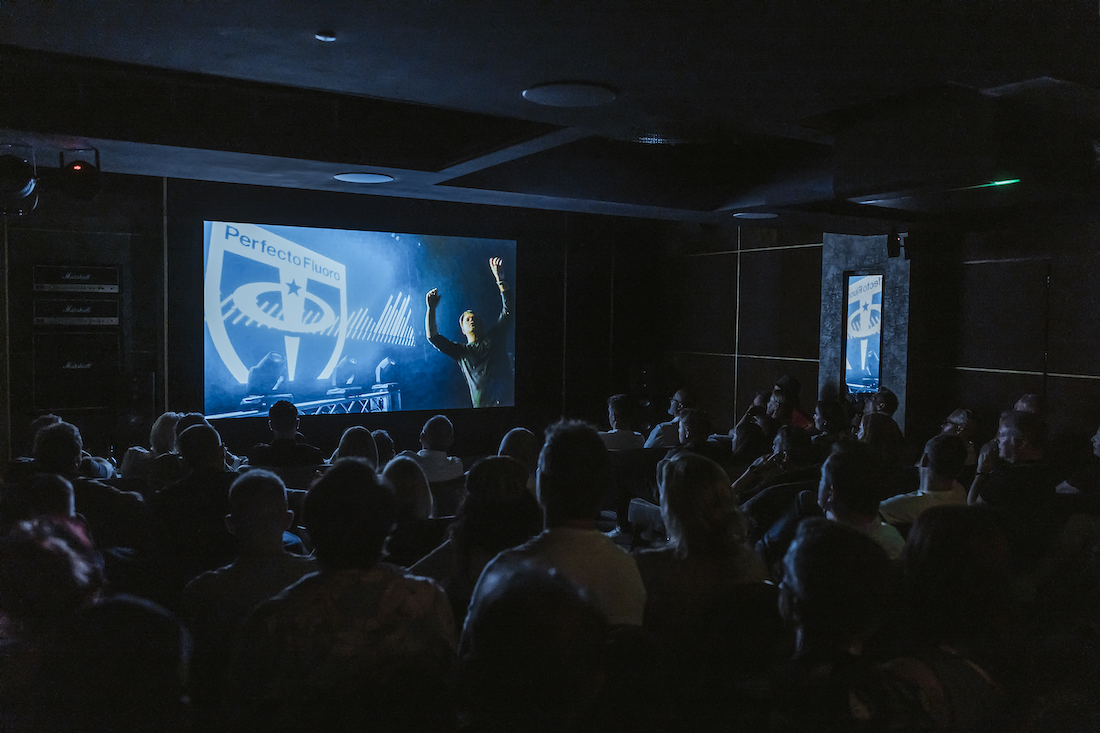

The documentary, Perfecto: How Dance Music Changed the World, is as much a historical record as it is a nostalgic throwback to the scene. Beautifully filmed, it captures not only the music but the voices of many people behind Perfecto. Personally, I found some parts incredibly emotional, not that there were any particularly tearjerking moments (I blame the red wine!). Tracks like Not Over Yet or the anthem Bullet in the Gun transported me to our old living room in Neasden, where music was practically a member of my family. Growing up around vinyl, the radio(!), and music magazines thanks to my dad, I didn’t realise how deeply those sounds had shaped me.
What do you want the audience to take away today, I asked. “Knowledge.” was Paul’s immediate reply. And he continued, on a deeper, motivational level: “And you could do it — anyone can start their own label.”
When I interjected to let Paul know that I started the magazine I’m interviewing him for, his response was the ultimate tap on the back: “Good for you! Well done to you. You woke up one day, had a thought, and maybe several months later you put it into action — and now you’re here. I had that same dream with the record label.”
That surreal moment stuck with me. Taking action is what gets you places. Whether it’s six years I’ve been running My Soho Times, or Paul’s 35 years in the game. Just start, and keep going.
Dance Music in the UK vs the US
Is the UK dance music scene quite different from the US? I asked. “Yeah, the dance culture in the US is much younger, and it’s bigger, obviously, due to the size of the country. Some festivals are 20,000 to 30,000 people here — it’s 200,000 over there. EDC (Electric Daisy Carnival), which is arguably the best, is nearly 300,000 people. So that’s a lot.”
Still, the UK holds its own. “I’m hearing dance music even today. The Vodafone ad was a dance record. I wrote the music for UNICEF Soccer Aid last weekend — a dance track. So you’re hearing it. Big Brother, I wrote the music for that, it’s dance music. So it’s there. It’s healthy. I think now people are used to it, so they’re not going, Oh wow, let’s check that out. It’s just here. So it’s good.”
“It’s part of the lifestyle.” I interject. “Well said,” Paul replied with a smile.
Another gold star for me.
Soho Ties and Favourite Spots
Because My Soho Times is a Soho-based publication, I had to ask Paul about his connection to the area. “I’ve had a few great parties here,” he laughed. “The (Karma) Sanctum Soho is my spot. I love hanging out here. It’s kind of a hub for people in music — rock, pop, dance. I was here with Goldie about five, six months ago… This is my spot.”
It was only when I got home and looked through my photos that I realised actor Tamer Hassan had been sitting at the next table during our interview. Just another day in Soho, I guess.



As the PR gave the wrap-up signal, one last question lingered — the one I probably should’ve started with.
“How did you actually get into music?” I finally asked.
“My dad’s a musician,” Paul said. “So I fell into it. I played the piano and guitar. I’ve grown up with music around me. And then I got into dance music because you get to a certain age and you’re like, ‘You know what? I’m going out dancing.’”
There was something quietly affirming about that.
For My Dad, Kwaku
After the screening, I lingered a little longer, listening to Nancy Noise on the decks and chatting with people who had known Paul for decades. When I interrupted Paul’s post-show huddle to say goodbye, he gave me a warm hug and said again, “Say hi to your dad for me.”
I left feeling full — of music, memory, and gratitude. So this one’s for you, Dad.
For the unlimited access to your library of vinyl and CD collections.
For taking me to gigs in Soho after school so that I wouldn’t be left at home alone (I mean, talk about extracurricular activities!). For showing me that Black music is music— in all its forms.
Thanks for being a cool dad, then and now.
What’s Next for Paul Oakenfold?
Paul Oakenfold is currently on his world tour (catch him in London on 2nd August at Studio 338). New Music; Paul Oakenfold x Planet Perfecto Knights x BE – ResuRection (Call Me) is out now.
As for the documentary Perfecto: How Dance Music Changed the World, whether or not there will be a public screening remains to be seen, but I sincerely hope there is. This story belongs at film festivals, on streaming platforms — anywhere people celebrate culture.
Until then, keep your eyes peeled, your ears open, and most of all… keep dancing!
Side note: When Paul says Perfecto is “arguably the longest-lasting independent dance label out of London,” my dad, who chronicles Brent’s Black music history, wishes to remind him that 40 years ago, he was employed by Harlesden-based Champion Records, which is still going….
When I said my dad doesn’t miss a beat, now you know what I mean!
Written by Kai Lutterodt @the.soho.girl @the.soho.girl | Images courtesy of Ryan Dinham
Share your thoughts in the comment box below!
More from the blog



Get social with us – follow and tag us! @mysohotimes #MySohoTimes



Special Offers – Straight to Your Inbox!
Receive the latest news, events, and discounts from our partners in a MONTHLY newsletter… Ready to join the club?
 MY SOHO TIMES