It was a recent LinkedIn post by a senior digital lead at a national restaurant group that caught my attention. It wasn’t alarmist, just honest. After months of preparation for the UK’s new “less healthy food advertising restrictions”, the anticipated “impact moment” came… and largely passed. Or did it? That question prompted a closer look at what has actually changed and who is affected.
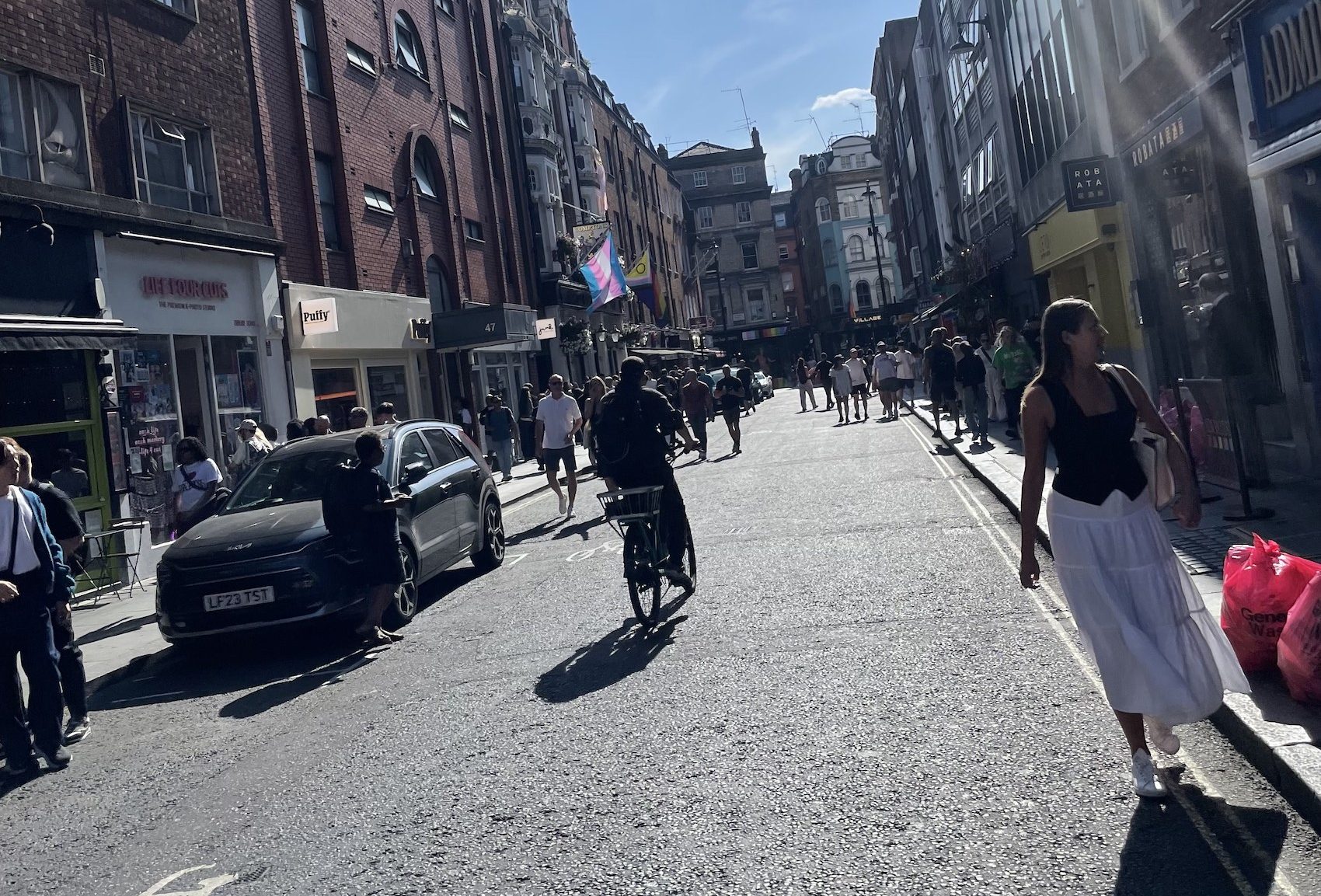
Soho and the wider West End sit at the sharp edge of every shift in the UK’s food and drink economy. From escalating commercial rents and tightening licensing conditions to changing consumer behaviour and regulatory reform, hospitality businesses here tend to feel policy change first.
As of the 5th January 2026, that pressure has increased again with the implementation of new restrictions on the advertising of less healthy food and drink. While framed nationally as a public health intervention, the Advertising (Less Healthy Food Definitions and Exemptions) Regulations 2024 land very differently in areas like Soho, Covent Garden, Mayfair, Fitzrovia and Leicester Square — neighbourhoods dominated not by supermarkets, but by highly visible, food-led businesses that rely heavily on digital marketing, footfall and cultural relevance.
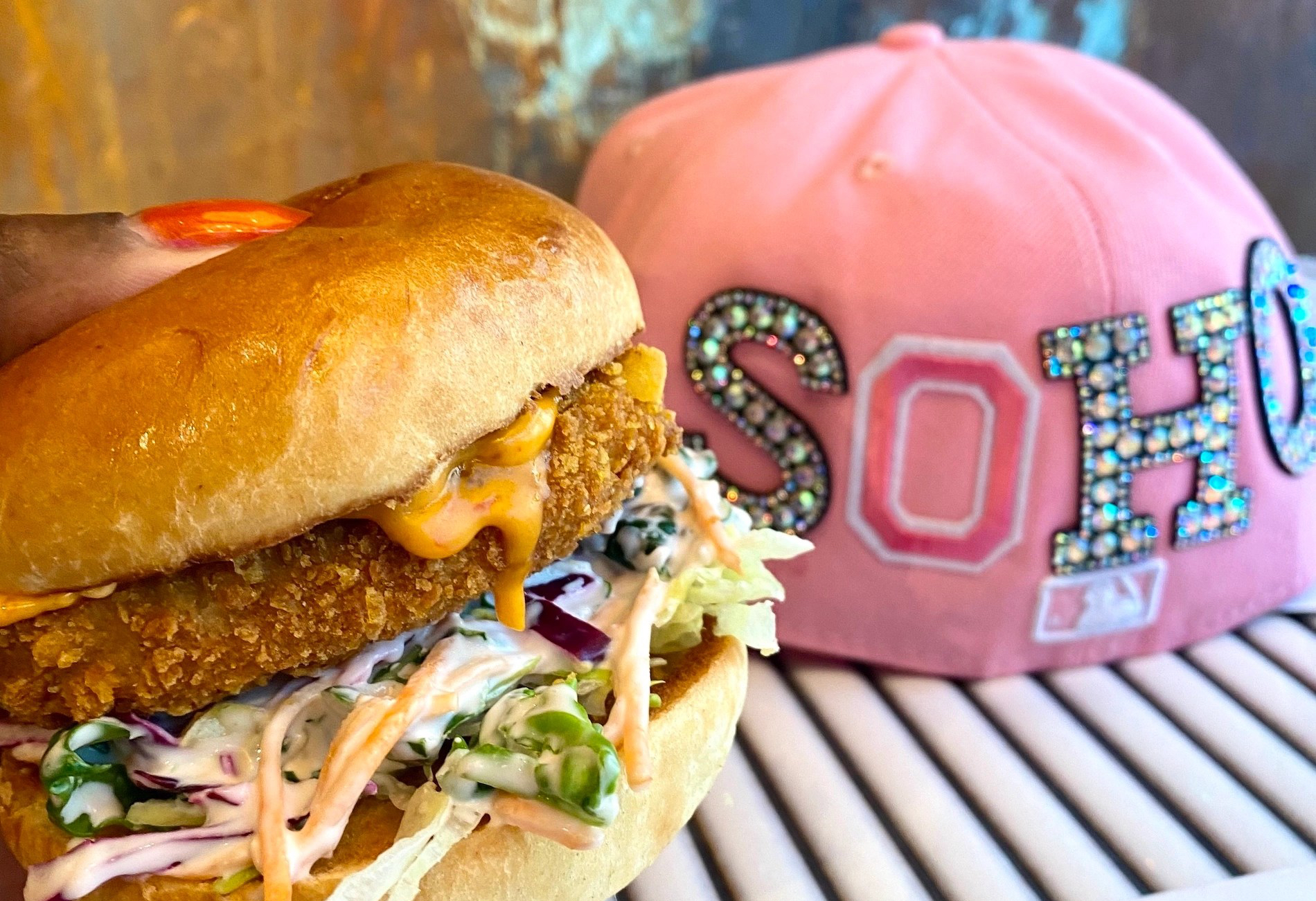
These regulations do not ban “unhealthy food”. They regulate how certain foods can be advertised, particularly through paid online advertising and broadcast media. But for West End operators already navigating shrinking margins and intense competition, the rules raise legitimate questions: who is most affected, who is exempt, and whether this framework genuinely protects independents, or inadvertently advantages larger, better-resourced brands.
Clearing up the dates
There has been understandable confusion around when these rules actually took effect.
- The Advertising (Less Healthy Food Definitions and Exemptions) Regulations 2024 came into force on 1st October 2025. These set out the legal definitions: what counts as “less healthy”, which products are in scope, who qualifies as an SME, and which services are exempt.
- The restrictions on paid-for advertising of less healthy food and drink on TV and online became operational on 5th January 2026, following government delays.
In practice, businesses have been expected to understand the definitions since late 2025, with enforcement of advertising restrictions now live.
What counts as “less healthy food”?
A product is classed as “less healthy” if it:
- Falls into one of 17 specified food and drink categories, and
- Fails the government’s Nutrient Profiling Model (used since 2011).
The categories will feel uncomfortably familiar to most West End operators. They include pizza, sandwiches and wraps, pastries and morning goods, cakes, desserts, ice cream, chips and fries, sweetened yoghurts, savoury snacks, ready meals, and menu items intended to be consumed as a complete meal.
Importantly, the rules apply regardless of where food is consumed. Eat-in, takeaway and delivery are treated the same. A sandwich or slice of cake promoted online is assessed as a product, not an experience.
What advertising is now restricted?
As of January 2026, paid-for advertising of identifiable less healthy food or drink products is prohibited in key areas, including:
- Paid online advertising (such as social media ads and promoted posts)
- TV advertising subject to watershed and service rules
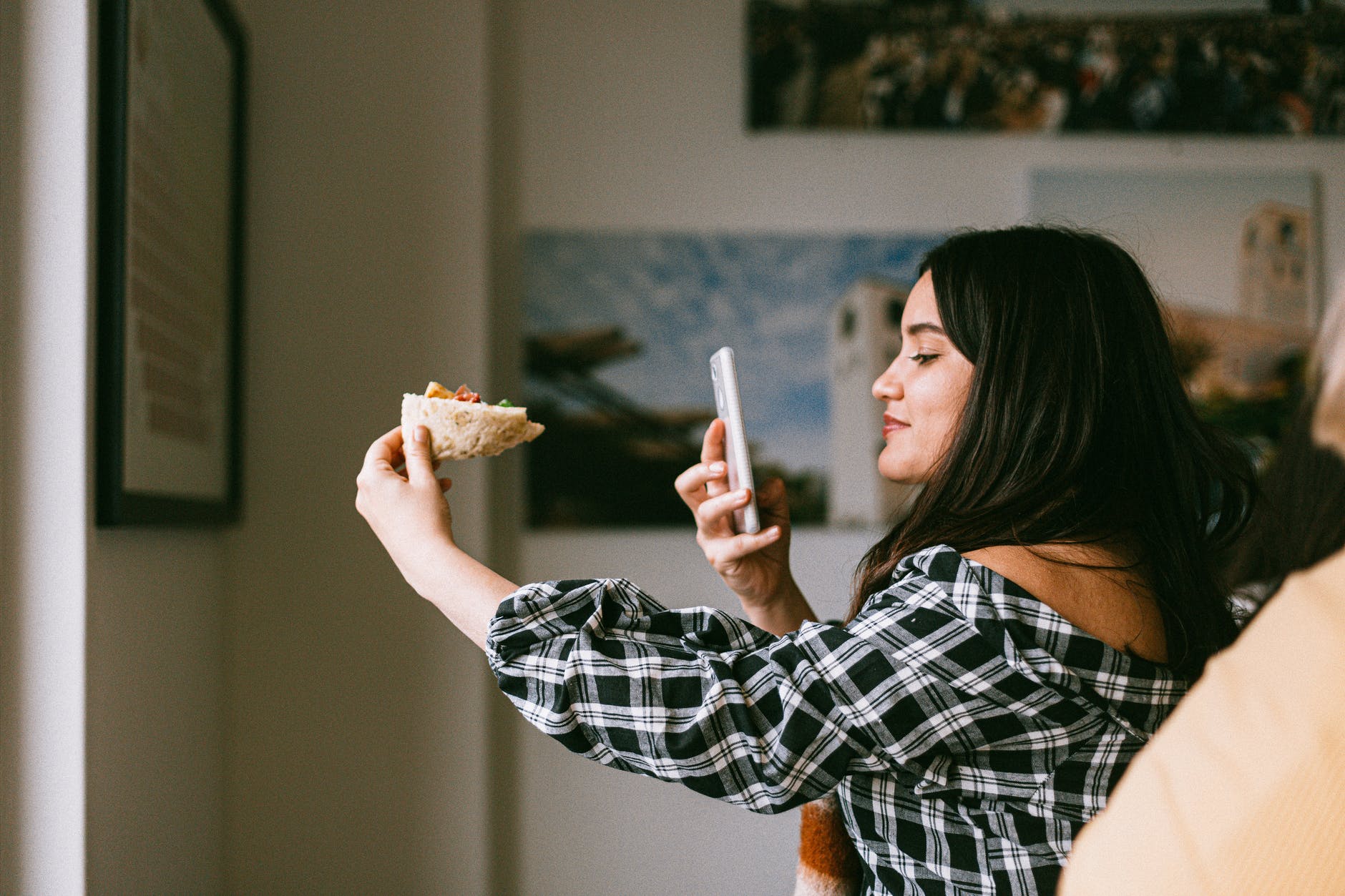
This does not mean hospitality businesses cannot show food online at all. Organic social media posts, editorial coverage, PR features and unpaid content are still permitted. The restriction applies specifically to paid promotion of identifiable less healthy products.
The SME exemption — and why it matters in Soho
One of the most significant aspects of the Regulations is the SME (Small and Medium-sized Enterprise) exemption.
A business qualifies as a food or drink SME if it:
- Employs fewer than 250 people, and
- Is not treated as part of a larger franchised group.
For Soho and West End independents, this exemption is critical. Many small restaurants, cafés and bakeries remain legally able to run paid online advertising for products that would otherwise be restricted.

However, franchising complicates this. A single Soho outlet may look “small” on the ground, but if it is part of a national or international franchise, it is treated as part of the franchisor’s wider business. That distinction matters — and it will catch some operators out.
What this means in practice
For larger businesses and chains, compliance will require a rethink of paid media strategies, influencer partnerships and performance marketing. For independents, the SME exemption offers breathing room, but not immunity from wider market pressures.
Across the West End, the likely winners will be businesses that rely more on reputation, editorial visibility, partnerships and community relevance. That includes earned media, local storytelling, collaborations, and being embedded in place, rather than constantly paying to push products into feeds.
The new rules on advertising less healthy food signal a growing focus on accountability: big, well-resourced brands must now think carefully about how they market high-sugar or high-fat products. Starting the year with this policy feels like a “New Year, New Rules” moment — a prompt for the industry to consider responsible marketing and the wider impact of indulgence.
These regulations don’t target dessert-only shops or fast-food chains directly — yet, but they set a precedent. Done effectively, this could level the playing field and shift the focus from “food porn” content to thoughtful storytelling.
In 2026, success in Soho and the wider West End will rely less on how aggressively a product can be advertised and more on how businesses integrate with their neighbourhoods, build meaningful connections through editorial coverage and partnerships, and tap into cultural moments that resonate with their audience.
Accountability doesn’t limit indulgence — it can make it responsible.
References
- The Advertising (Less Healthy Food Definitions and Exemptions) Regulations 2024
https://www.legislation.gov.uk/uksi/2024/1266/made - UK Government: Restricting advertising of less healthy food or drink on TV and online
https://www.gov.uk/government/publications/restricting-advertising-of-less-healthy-food-or-drink-on-tv-and-online-products-in-scope - Nutrient Profiling Model Technical Guidance (Department of Health)
https://www.gov.uk/government/publications/the-nutrient-profiling-model
Written by Kai Lutterodt @the.soho.girl
Share your thoughts in the comment box below!
More from the blog:
Get social with us – follow and tag us! @mysohotimes #MySohoTimes


Special Offers – Straight to Your Inbox!
Receive the latest news, events, and discounts from our partners in a MONTHLY newsletter… Ready to join the club?
 MY SOHO TIMES