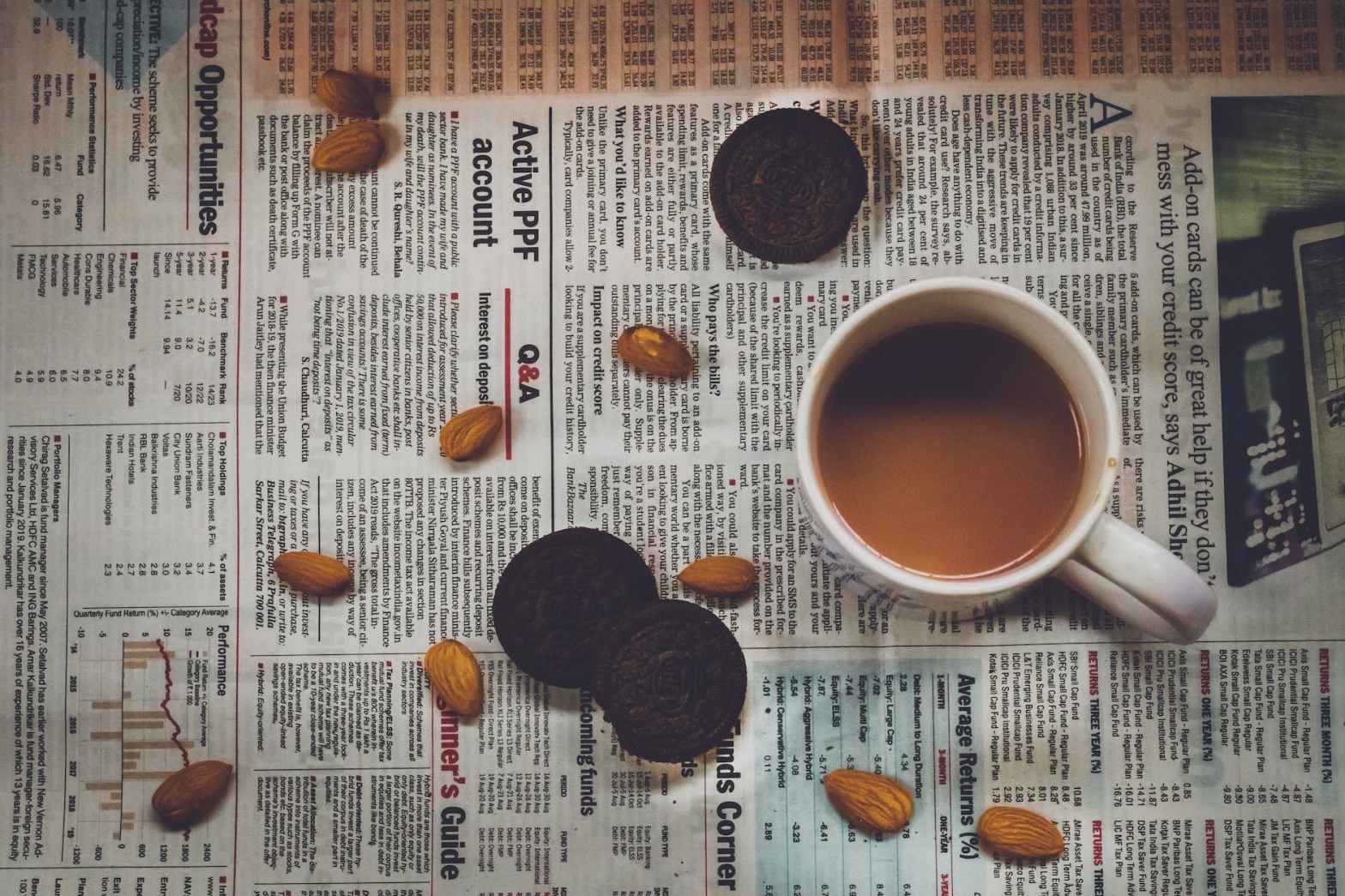
As one of a shrinking pool of proudly print publications (let’s hear it for alliteration) in our very own capital city, My Soho Times is no stranger to the vexed question of hard copy or online only? Happy as we are with our virtual presence – being 21st century gals in every sense – the print edition of the magazine is hugely important to us. But to be honest, it’s nothing if not a struggle though to keep those crisp pages turning in real time. Contributing editor Gillian Smith explores the power of print – then and now…

It’s a conundrum we share with other London-based publications. After all, there was a collective sigh hereabouts when that old warhorse of London listings mags, Time Out, abandoned its physical presence earlier this summer after being available at all good newsagents since 1968. In its time, it was so popular there was room for a rival in the field, City Limits, a sort of counterculture version that ran from 1981-1993.
Depleted though their readership might be, newspapers obviously still publish – the Evening Standard still puts out a magazine each week along with the daily edition – and Metro, City AM plus various City glossies are all still unfurled and mentally ingested on tube and bus journeys around London.
The insatiable desire for the lowdown on a local level been has been around since humans first decided communication might be a good thing, so it’s as well to take stock of what preceded the information overload of the internet that we currently enjoy today.
Earliest Roman publishing were bulletins carved onto metal or stone (not that handy for chucking into your tote) to be read out by officials in public places. Britain’s oldest writing was found not that long ago buried near Bank Station – a haul of 405 writing tablets revealing a rich cast of first century Londoners going about their daily lives as merchants and brewers. Reassuringly familiar at least.
Fast forward a millenium or so and a handily-acquired time machine would arrive in 1476, when William Caxton was establishing the first printing press in England and things would never be quite the same again. When he died in 1492, his apprentice Wynkyn de Worde (great name) acquired the various mechanical bits and bobs and set about establishing a brave new world adjacent to Fleet Street – then a thoroughfare linking the city to its Western outskirts.
By the time we get to the 17 th century plus, the area was knee deep in famous scribblers – Johns Milton and Drydon and Samuel Pepys, to name but a few – with a goodly number of them clustered around St Bride’s Church. It remains an institution with a strong journalistic associations – still standing, having been rebuilt down the years after various structural disasters – and well worth a visit.
As we move into the arena of pamphlets, newsletters, political dissembling and scurrilous periodicals, things take a turn for the interesting. Always a worry, that. One of the earliest newspapers as such was The London Gazette which started publishing in 1665; it established the design staples of columns, clear headlines and specific dates. Pretty good year for content as well, what with the Plague and then the Great Fire of London hot on its heels in 1666.
For another dramatic lesson on the power of print in our fair city, consider The London Magazine. It was founded in 1732 with, if not entirely revolutionary credentials, then at least those of political opposition to the Tory-leaning Gentleman’s Magazine. Enduring a slightly start-stop history until it was resurrected by the editor John Scott in 1820, it resembled a contemporary Scottish publication by the name of Blackwood’s Magazine.
The London mag was choc full of the work of wordsmiths such as Percy Bysshe Shelly, John Keats et al and put out Thomas De Quincey’s Confessions of an English Opium-Eater. But being a tad on the rad side unfortunately brought about a very abrupt ending to Scott’s editorial tenure, when a literary feud broke out between him and Blackwood writer John Gibson Lockhart. This culminated in a fatal duel between Scott and Lockhart’s close mate, J.H. Christie, sadly (for Scott anyway) a better shot than his rival. Publish or be damned though and the London Magazine found a new editor and staggered on until 1829 when publication ceased.
Since that time many London magazines have hit the shelves and found an avid readership over the years. The London press scene seems to be a pretty fascinating subject in and of itself and has been well documented in novels from Orwell to Evelyn Waugh.
So where does that leave us today? With the pervasive view being the only way is online, we return to our original question of whether or not to get physical. I’m a yes on that one – and I don’t think it’s just history that’s on our side.
Photography is never quite so immediate as when you’re holding it in your two hands and My Soho Times takes great pride in the quality of our print edition and the world it opens up to our readers, once they’ve snagged their own personal copy. Exploring local themes, talking to visitors and residents and paying attention to our audience remains key to our ethos. Reaction when picking up a copy are pretty much positive universally.
But, being Londoners, we love a good debate. So, perhaps it’s time to open this one out to the floor – what do you think? Online only or today’s buzzword – hybrid, with the best of both worlds? We’d love to know your views!

Gillian Smith is a freelance Writer and Producer who has worked extensively across all media from print to broadcast and digital. Her wide-ranging experience includes scriptwriting and filmmaking in the UK, Europe and Asia for organisations such as Reuters News, the BBC and Sony Television. Areas of special interest are film (including red carpet events, navigated with a sharp pair of elbows) and arts and culture.
The autumn issue of My Soho Time is out on the 13th October. If you’d like to partner with us, write for us, or advertise with us please email: kai@mysohotimes.co.uk
Get social – follow and tag us! @mysohotimes #MySohoTimes


Sign up to receive the latest issue of our magazine – straight to your inbox!
Plus, we’ll share the latest news, events, and discounts from our partners in and around Soho in a MONTHLY newsletter… Ready to join the club?
 MY SOHO TIMES